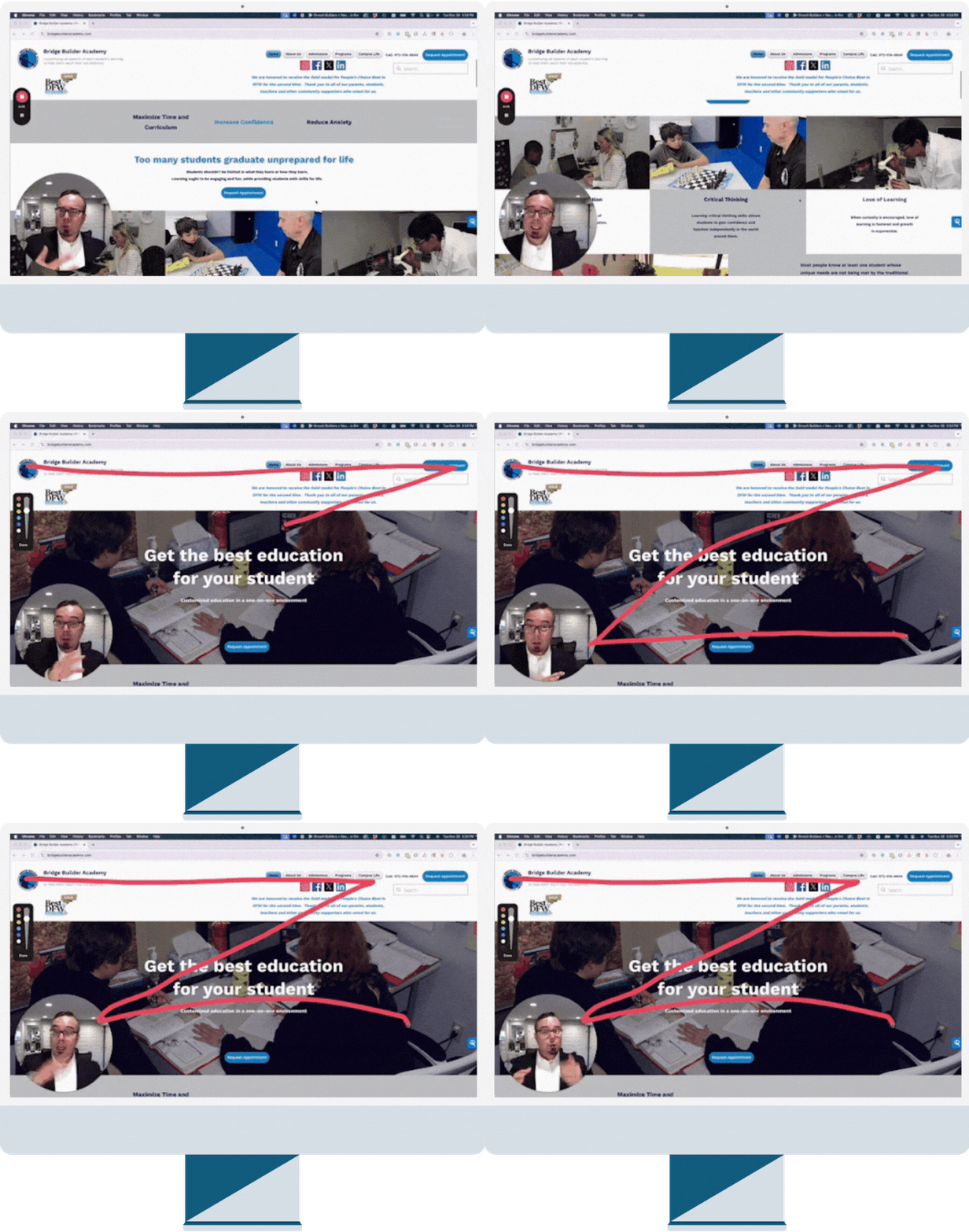
If you’ve read Donald Miller’s Building a StoryBrand and want to unleash the power of the SB7 framework for your business, then you’ll love this guide.
There’s a big difference between implementing StoryBrand like a rookie and like a pro. Our StoryBrand Agency has personally used these 105 tips to deliver the best results from the framework.
You can filter through the list to find the tips that your business needs most.
Check it out:
I want StoryBrand tips for:
Tips for SB7 Framework
Understanding the Role of the Hero
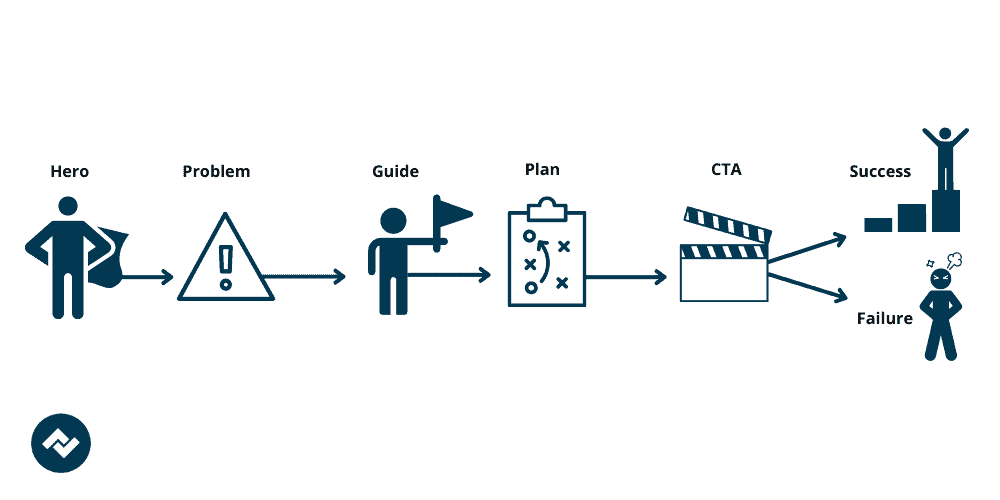
When diving into the StoryBrand (SB7) Framework, understanding the role of the hero in your brand’s narrative is crucial. The framework is designed to help you craft compelling, customer-centric stories that convert, but getting the hero right is where it all begins. Here are some actionable tips to ensure your SB7 implementation positions your brand as the guide and your customer as the hero—exactly where they should be.

- Embrace the Paradigm Shift: You Are Not the Hero
One of the foundational principles of StoryBrand is recognizing that your brand is not the protagonist of the story. Your audience doesn’t want to hear a brand-centric narrative; they’re interested in how you can solve their problems. Shift the focus from your brand to how you enable your audience to overcome challenges and achieve their goals.
- Discover, Don’t Fabricate, Your Hero
Your ideal audience isn’t a hypothetical construct. They’re the people you’re already serving. Instead of creating a fictional hero with imagined needs and desires, turn to your existing customers. Understand their motivations, challenges, and what drew them to your brand in the first place. This approach ensures your message is rooted in reality and resonates with actual needs.
- Start with a Real Person, Not a Persona
While target personas can guide your marketing efforts, they often lack specificity. To truly connect with your audience, base your hero on a real-life customer—someone who represents your ideal audience. A favorite client or a particularly insightful review can provide a tangible foundation for your hero’s character.
- Simplify Your BrandScripts
If you’re working with multiple BrandScripts, remember: one hero per script. Trying to cater to every possible customer in a single narrative dilutes your message. Focus on creating specific, engaging stories that speak directly to the needs and desires of distinct segments of your audience.
- Clarify Your Hero’s Wants
Avoid overwhelming your narrative with a list of everything your hero might want. Concentrate on their primary desire or problem that your brand can address. This clarity prevents confusion and strengthens your story’s appeal.
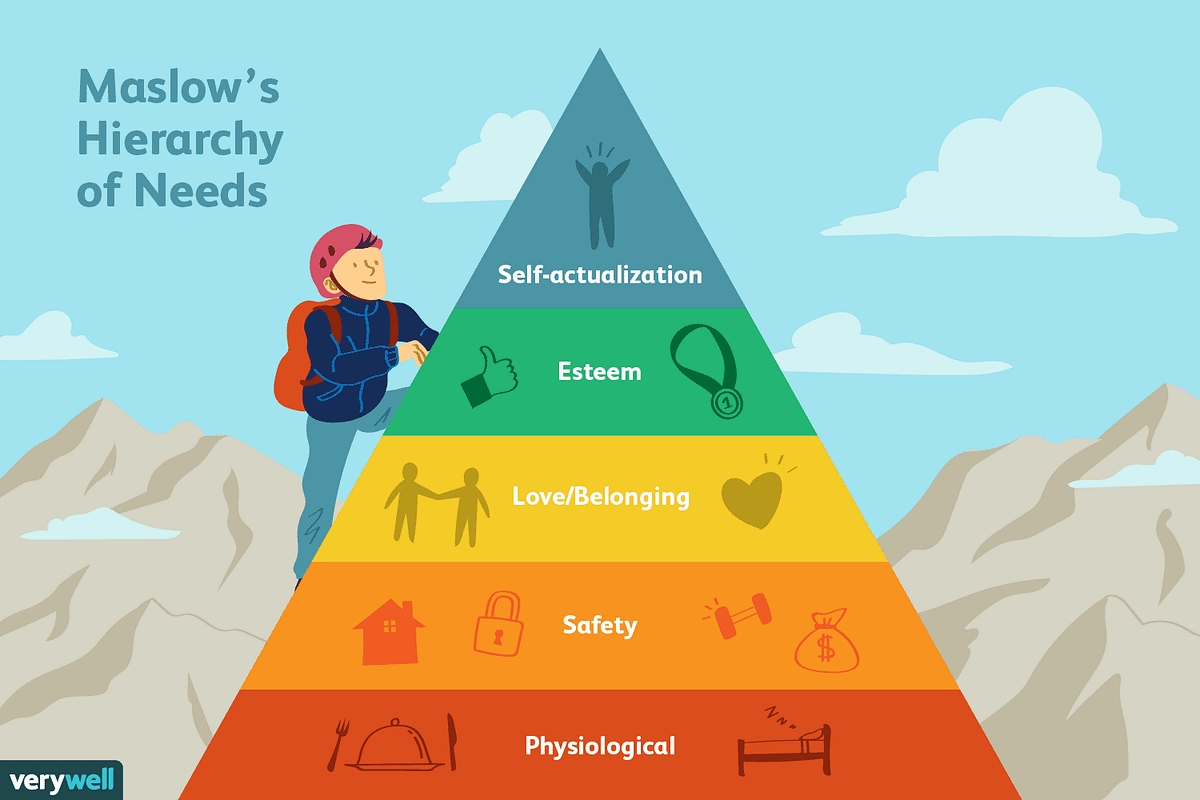
- Align Your Message with Their Needs on Maslow’s Hierarchy
Understand where your customers are on Maslow’s hierarchy of needs and tailor your message accordingly. Misalignment here can lead to your message missing its mark. Whether your customers seek basic security or are striving for self-actualization, ensure your narrative meets them where they are.
- Think Like Google
Consider what your ideal client would type into Google when looking for solutions you offer. These search queries can give you insights into their needs and how they seek to address them. This understanding can refine your messaging to be more targeted and effective.
- For Non-Profits: Make the Mission the Hero
In non-profit messaging, the recipient of your services should be the hero. Your narrative should center around their needs and how your donors can play a pivotal role in meeting those needs. This approach ensures your message remains focused and compelling.
- For B2B: The Business is the Hero
In B2B contexts, it might seem challenging to single out one hero. Instead, view the client business as the hero. Determine what the business, as a collective entity, aims to achieve and how your solutions can help them get there. This perspective can simplify your narrative and make it more relevant to your B2B audience.
Navigating the Problem Section in Your StoryBrand Framework
Addressing the problem within your StoryBrand SB7 framework is where the rubber meets the road. This is where you articulate the challenges your audience faces, resonating deeply with their needs and setting the stage for your solution. Here’s how to tackle the problem section like a professional StoryBrand Agency, ensuring your narrative hits home with precision and empathy.

- Integrate All Three Levels of the Problem
Your narrative should weave together the external, internal, and philosophical aspects of the problem into a cohesive story. For instance, selling a security system isn’t just about the external threat of burglary; it’s about the internal fear of feeling unsafe and the philosophical injustice of insecurity at home. These layers create a rich, relatable narrative that speaks to the comprehensive experience of your audience.
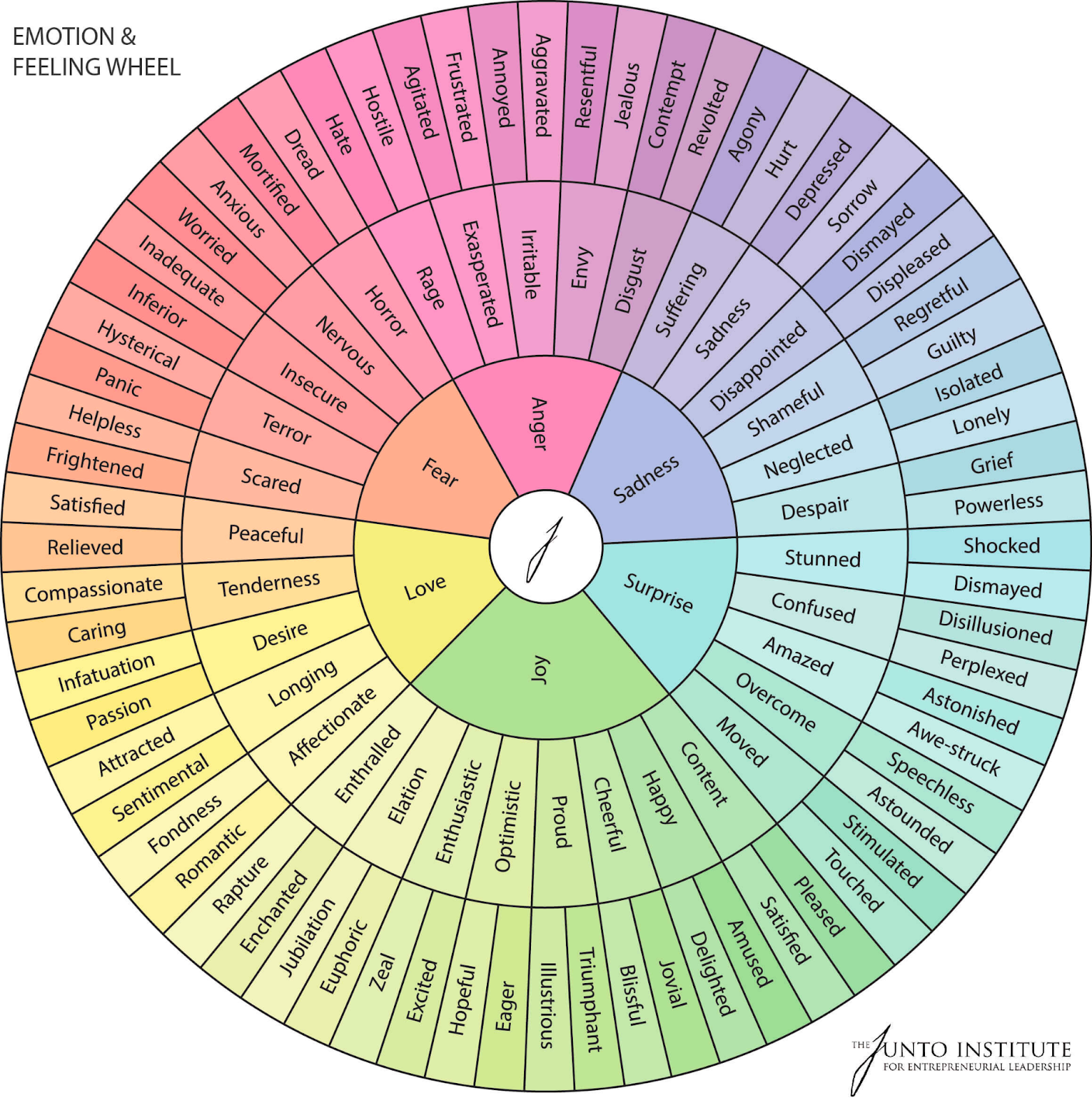
- Utilize the Emotion Wheel for Depth
Identifying the internal problem can be challenging, but the emotion wheel is an invaluable tool. It allows you to pinpoint and articulate the specific feelings your audience experiences, moving beyond basic emotions to uncover the nuanced internal struggles they face. This precision in emotional identification can significantly enhance the connection you build with your audience.
- Keep the Philosophical Problem Accessible
While the philosophical aspect of the problem might seem lofty, it’s essential to keep your language grounded and relatable. This isn’t the place for preaching or complex insights; it’s about empathizing with the fundamental injustices or inconsistencies your audience perceives. A simple, direct statement can resonate more profoundly than an elaborate philosophical discourse.
- Focus on the Real Issue, Not Your Product
A common pitfall is defining the problem solely in terms of needing your product or service. Instead, dig deeper to uncover what lies beneath the surface. What is the real challenge your audience faces, and what are the consequences of not addressing it? This approach shifts the focus from a superficial need for your solution to a meaningful exploration of the underlying issue.
- Speak Your Audience’s Language
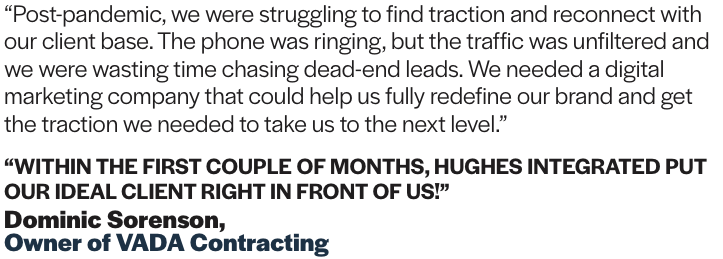
To truly connect, your description of the problem must echo the language and sentiments of your audience. Customer reviews and testimonials are gold mines for understanding how your audience articulates their challenges. This real-world phrasing ensures your messaging is authentic and resonates on a personal level. Check out the example below from one of our clients. “Wasting time chasing dead-end leads” is a very specific and poignant problem!
- The Power of the Internal Problem
While all aspects of the problem are crucial, the internal problem often has the most significant impact. Acknowledging and naming the feelings associated with the challenge shows your audience that you understand them on a deep level. This empathy establishes a powerful emotional connection and positions your brand as a trusted guide.
- Balance Drama with Authenticity
While it’s important to highlight the problem, avoid over-dramatization. Excessive embellishment can detract from the authenticity of your message, making it seem insincere. A measured approach that accurately reflects the intensity of the problem is more likely to engage your audience genuinely.
- Embrace the Problem to Demonstrate Understanding
Focusing on the problem might feel counterintuitive, but it’s a strategic move that demonstrates your deep understanding of your audience’s challenges. This acknowledgment not only validates their experience but also positions your brand as empathetic and solutions-oriented.
- Leverage Surveys for Insight
Direct feedback from your clients through surveys can provide invaluable insights into the challenges they face. This firsthand information allows you to refine your offerings and tailor your messaging to address the real issues more effectively.
- Memorability Through Problem-Solving
In a crowded market, being known for solving a specific problem can set you apart. This clear association in your audience’s mind enhances your brand’s memorability and positions you as the go-to solution for that particular challenge.
- The Problem as the Core of Your Story
Every compelling story needs a conflict to overcome. In your brand’s narrative, the problem is the conflict that makes the story engaging and drives the hero (your customer) to action. This dynamic is what transforms your messaging from merely informative to truly captivating.
- Crafting the Problem for Luxury Brands
For luxury brands, addressing the problem directly might require a nuanced approach. Posing thought-provoking questions allows potential customers to reflect and recognize the problem on their own terms. This subtlety aligns with the expectations of a premium audience while effectively highlighting the underlying challenge.
- Creating Bonds Through Problem Recognition
Articulating the problem in a way that resonates with your audience can forge a strong emotional bond. It’s about more than understanding; it’s about making your audience feel seen and heard. This connection is the foundation of trust and can be the decisive factor in guiding them towards your solution.
Crafting Your Role as the Guide with Precision and Impact
In the StoryBrand framework, positioning yourself as the Guide is pivotal to crafting a narrative that resonates with your audience. Your role is to demonstrate empathy and authority, assuring your audience that you not only understand their challenges but also possess the expertise to help them overcome these obstacles. Here’s how to effectively embody the Guide in your messaging, creating a balance that nurtures trust and drives engagement.

- Balance Empathy with Authority
Your messaging must convey a deep understanding of your audience’s problems while also showcasing your capability to solve them. This dual approach reassures your audience that you’re not just another entity trying to sell something but a trusted ally equipped to guide them to a solution.
- Tailor the Empathy-Authority Mix to Your Audience
The proportion of empathy to authority in your messaging should be tailored to your brand and the specific needs of your audience. For instance, in professions where authority is a given (like counseling), leading with empathy can be more effective. Understand the unique expectations of your audience to strike the right balance.
- Show, Don’t Tell
Demonstrate your trustworthiness and expertise through stories and examples rather than mere assertions. Sharing how you’ve successfully addressed similar challenges for others is far more compelling than a list of qualifications. This approach brings your empathy and authority to life in a context your audience can appreciate.
- Leverage Testimonials and Credentials Wisely
Allow the voices of satisfied clients and relevant credentials to highlight your expertise and caring approach. Testimonials can powerfully convey empathy and authority by showing prospective clients the real-world impact of your services. Similarly, showcasing accolades or media mentions can subtly assert your authority without appearing boastful.

- Understand the Difference Between Sympathy and Empathy
Effective communication with your prospects requires true empathy, not just sympathy. It’s about making your audience feel genuinely understood, not just acknowledged. Empathetic messaging creates a deeper connection, making your audience feel seen and validating their experiences and emotions.
- Moderate Your Spotlight Time
While establishing your credentials is important, remember that the story isn’t about you—it’s about the hero, your client. Share enough about your expertise and empathetic approach to build trust, then swiftly refocus the narrative on how you can assist the hero on their journey.
- Keep Your Authority Relevant
When sharing your qualifications or achievements, ensure they directly relate to the needs and goals of your audience. Irrelevant displays of authority can distract or even alienate your audience. Every piece of information about your expertise should reinforce your role as the Guide who can address the hero’s specific challenges.
Simplifying the Journey: Crafting a Clear Plan in Your StoryBrand Framework
In the StoryBrand SB7 framework, articulating a straightforward plan for your customers is essential to guide them towards taking action. The plan not only outlines the steps they need to take but also builds trust and confidence in your ability to solve their problem. Whether you’re offering a product or a service, the plan you lay out can make the difference between engagement and hesitation. Here’s how to create a plan that’s both accessible and credible, ensuring your audience feels confident to proceed with you.

- Establish Your Guide Credentials First
Before delving into the plan, it’s essential to establish your role as the Guide. Demonstrating both empathy for your audience’s challenges and authority in your field is crucial. This foundation ensures that when you introduce the plan, your audience is already primed to see you as a trustworthy figure capable of leading them to success.
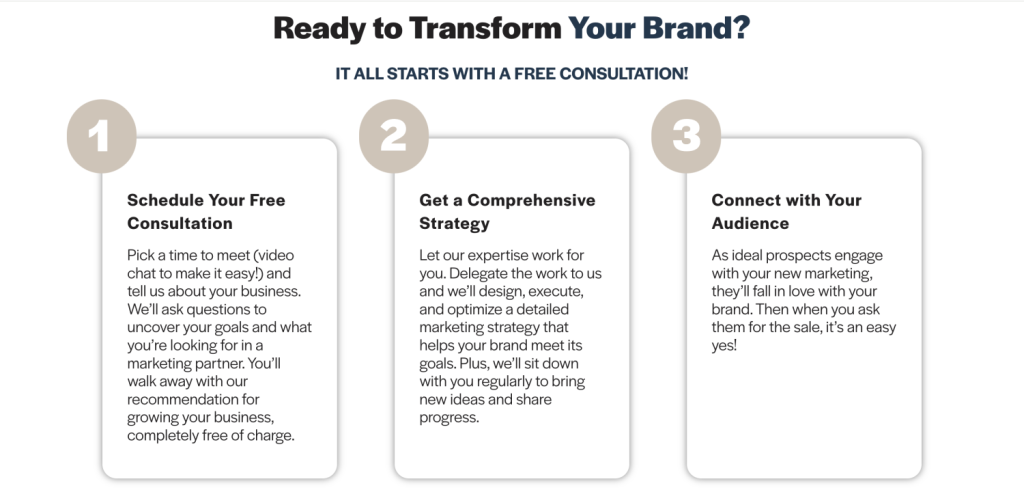
- Condense the Process into Three Steps
Start by simplifying the interaction process with your business into three manageable steps. This approach makes the journey seem less daunting and helps to prevent information overload, encouraging your audience to take the first step.
- Embrace the Principle of ‘Less is More’
Highlighting the importance of simplicity, remember that every additional step can act as an extra burden on your prospect’s decision-making process. Stick to three steps to keep the cognitive load minimal, ensuring that your audience can easily grasp and remember the path forward.
- Use the Analogy of Crossing a River
Visualize your plan as a series of stepping stones across a river. This imagery helps to conceptualize the idea of providing a safe and clear pathway for your audience, emphasizing the need for a straightforward approach that invites them to take action without feeling overwhelmed.

- Avoid Oversimplification That Hurts Credibility
While simplification is key, it’s crucial to balance this with maintaining your credibility, especially in complex industries. Ensure that the simplification of the initial step into your process does not diminish the perceived value and depth of your services.
- Specificity Over Generalities
Dive into specifics when outlining the steps of your plan. Vague statements can leave your audience confused about what to expect. Detailed, clear steps eliminate ambiguity, making it easier for your audience to commit to taking action.
- Support Each Step with Detailed Language
For those who seek deeper understanding, provide additional explanations for each step (especially in longer marketing collateral like your website). This balance allows users to quickly grasp the essentials while offering the option to explore each step in more detail if they choose.
- Know When Dumbing it Down Undermines Your Credibility
It’s important to recognize when too much simplification can be detrimental. For professions where the complexity of the service is a sign of quality, like financial advising, the initial simplicity should not mislead about the depth of the service provided. Making the first step approachable, without oversimplifying the entire process, respects your audience’s need for clarity without underestimating their appreciation for the complexity of your work.
Crafting Effective Calls to Action: A Guide to Engaging Your Audience
Creating a compelling Call to Action (CTA) is essential for guiding your audience toward taking the next step with your brand. The right CTA can transform passive readers into active participants. To ensure your CTAs are as effective as possible, consider these restructured and stylistically consistent tips:

- Be Clear and Direct with Your CTA
Your CTA should leave no room for interpretation. Users must understand precisely what to expect when they engage with it. Instead of vague phrases like “Start Your Journey,” opt for specific, actionable instructions such as “Call Our Office” to eliminate any guesswork.
- Limit the Number of CTAs
Offering too many options can overwhelm your audience, leading to decision paralysis. Identify the most logical next step for your audience and streamline your CTAs to guide them through a single, focused path.
- Test and Optimize Your CTAs
Different audiences respond to different CTAs. Use A/B testing to determine which CTAs resonate best with your audience, whether it’s filling out an online form or making a phone call. Analyzing the data from these tests allows you to refine your approach for maximum engagement.
- Start with Low-commitment Actions
Recognize the level of commitment your product or service demands. For higher commitment offerings, introduce low-risk CTAs like free trials or consultations. This approach eases your audience into the decision-making process without overwhelming them from the start.
- Use Transitional CTAs to Build Comfort
Transitional CTAs, such as offering free or discounted material, can help your audience become more acquainted with your brand at a low risk. This strategy increases the number of potential customers entering your funnel and facilitates a smoother journey towards more significant actions.

- Align Your CTA with the Desired Action
Ensure your CTA explicitly states the action you want your audience to take. This alignment prevents confusion and makes the user’s journey towards completing that action as straightforward as possible.
- Build Relationship Before Risk
For CTAs that might seem risky to your prospect, it’s crucial to have already established trust. For newer engagements, opt for less risky transitional CTAs that underscore the safety and value of interacting with your brand, paving the way for more significant commitments as your relationship strengthens.
- Communicate Clearly and Kindly
Whether it’s in a marketing email, a sales call, or a social media post, clarity in your CTA is not just strategic; it’s considerate. Clear, direct communication shows respect for your audience’s time and decision-making process, embodying kindness through transparency.
- Choose Your Words Wisely
Avoid generic and lengthy CTA phrases that lack clarity. Instead, opt for concise, descriptive instructions that tell your audience exactly what action they’re taking, like “Schedule a Visit” or “Talk with Joe.” This specificity helps set clear expectations and guides them more effectively.
Crafting a Narrative of Success and Failure: A Balanced Approach
In the StoryBrand framework, how you communicate success and address failure can significantly influence your audience’s perception of your brand and its offerings. A well-crafted narrative not only highlights the potential for success but also acknowledges the reality of failure in a way that motivates action. Here’s how to strike the right balance:

- Visualize Success for Your Audience
Go beyond simply stating the benefits of your solution. Help your audience vividly imagine the success they can achieve by engaging with your product or service. Describe not just the outcomes but the feelings, changes, and day-to-day improvements they will experience. This visualization makes the success more tangible and desirable.
- Set Realistic Expectations
While it’s important to showcase the potential for success, avoid overpromising or suggesting outcomes that are too good to be true. Unrealistic expectations can erode trust. Focus on resolving the main pain point effectively, demonstrating how your solution directly addresses the issue without claiming to perfect every aspect of their life.
- Link Success to Resolving the Internal Problem
Define success in terms of how it addresses the core issue your audience faces. If the problem is a practical frustration, such as quickly dulling knife blades, success should be presented as the enduring sharpness and reliability of your chef blades, enhancing their cooking experience.
- Combine Long-term Vision with Immediate Benefits
People often view their future selves as separate from their current selves, which can lead to disengagement with long-term promises. To counter this, pair long-term visions of success with immediate benefits. This dual focus helps your audience see the value in taking action now while keeping an eye on future rewards.
- Use Failure Sparingly
While acknowledging the potential for failure can underscore the value of your solution, it’s crucial not to overemphasize negative outcomes. A heavy focus on avoiding failure can be off-putting. Instead, use failure like salt in a recipe—a little enhances the narrative, but too much can spoil the message.
- Emphasize Contrast for Impact
Restating the problem or potential for failure towards the end of your narrative can make the promise of success feel more compelling. This contrast between what is at stake and the victory achieved by choosing your solution can motivate your audience to act, inspired by the clear delineation between failure and success.
- Show Transformation Through Before and After
Illustrate the transition from failure to success with concrete examples. Before-and-after images, client testimonials, and data showcasing the transformation offer compelling evidence of your solution’s impact. These narratives not only validate your offering but also provide relatable and aspirational success stories for your audience.

- Inspire with Stories of Overcoming
The journey from problem through failure to success is a powerful narrative arc. Use stories that show how others have overcome the challenges your audience is facing. This not only demonstrates the efficacy of your solution but also builds a deeper emotional connection, encouraging your audience to envision themselves achieving similar success.
Crafting a Compelling BrandScript: Key Strategies
Creating a BrandScript is an essential step for any brand looking to articulate its message clearly and compellingly. Drawing inspiration from various sources and employing strategic thinking can make your BrandScript not only engaging but also effective in converting your audience. Here’s how to approach your BrandScript with creativity and precision:
- Learn from Infomercials
Infomercials, despite their often over-the-top presentation, are a treasure trove of storytelling tactics. They excel at illustrating a problem in a dramatic, black-and-white world, introducing their product as the hero that solves this problem, and ending with a strong call to action. They’re particularly adept at transitioning from problem to solution to life improvement, providing a template for the narrative flow your BrandScript could emulate. Remember, the goal is to adapt the problem-solution-outcome formula to fit your brand’s tone and audience, avoiding the exaggerated delivery typical of infomercials.
- Start with a Simple Structure
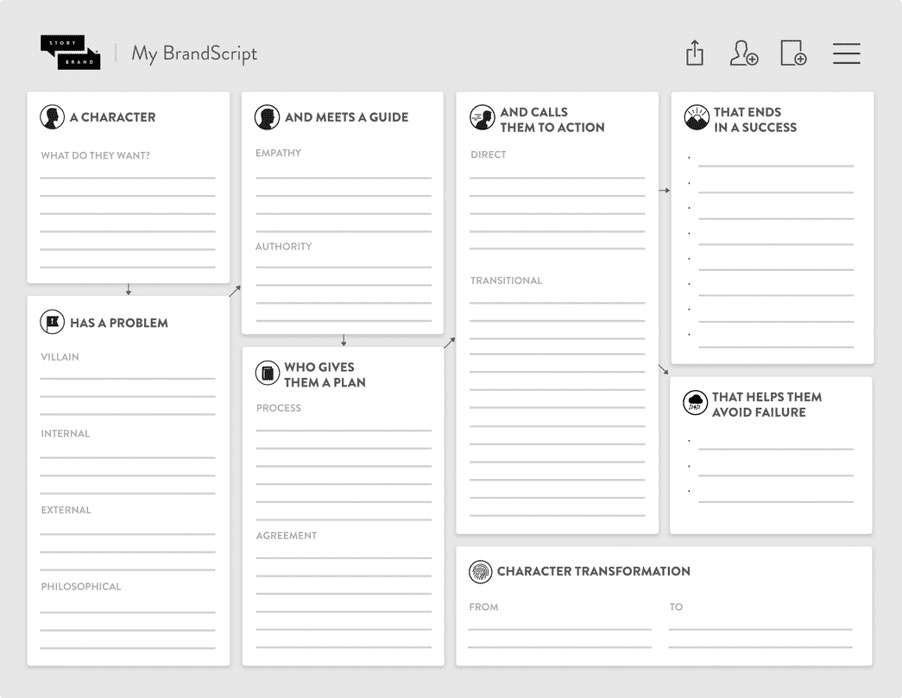
When drafting your BrandScript, it’s perfectly fine to begin with a basic framework, such as the fill-in-the-blank approach suggested by “Building a StoryBrand.” This method allows you to lay out your brand’s narrative from start to finish, ensuring clarity and coherence in your messaging. The simplicity of this approach ensures that you establish a solid foundation for your brand’s story before adding more detailed elements.
- Focus on Creating a Narrative, Not Just Copy
It’s a common misconception that a BrandScript should be a polished piece of marketing copy right off the bat. Instead, view it as a strategic document that guides the development of your messaging across various platforms. Whether you’re crafting an email, a social media post, or a blog article, your BrandScript provides the direction and tone, ensuring consistency and relevance in all your communications.
- Ensure Narrative Cohesion
For your BrandScript to resonate with your audience, it must maintain narrative cohesion from beginning to end. The desires and goals introduced at the start should naturally lead to the successes highlighted at the conclusion. If your opening emphasizes a specific want, such as the desire to host more parties, the closing should reflect the fulfillment of that desire, not introduce unrelated outcomes. This coherence ensures that your brand’s story opens and closes a narrative loop, leaving your audience satisfied and engaged.
- Align Character Wants with Success
Ensure that the success your brand promises aligns with the initial wants and needs of your character (your customer). If there’s a disconnect between what your audience is seeking and the success you’re offering, it can lead to confusion and disengagement. The success phase of your BrandScript should be a direct response to the character’s initial desires, creating a fulfilling narrative arc that resonates with and motivates your audience.
Mastering the Art of the One-Liner: Essential Tips for Impactful Messaging
A well-crafted one-liner is a powerful tool in your brand’s communication arsenal, serving as a succinct and memorable pitch that encapsulates the essence of what you do. Here’s how to refine your one-liners to ensure they resonate with your audience and effectively convey your brand’s value proposition.
- Ensure Clarity and Resolution
Your StoryBrand one-liner should clearly articulate the problem your brand addresses and then seamlessly transition to the resolution or life after your solution is applied. The transition from problem to solution should be natural and logical, with the final part of your one-liner painting a vivid picture of the success or relief your audience will experience. Avoid introducing new problems; focus on closing the loop with a satisfying resolution.
- Craft Your Elevator Pitch
Think of your one-liner as the perfect elevator pitch: concise, compelling, and clear. It’s the response you’d give at a dinner party when someone asks, “So, what is it that you do?” Experiment with writing several versions and test them out in different settings to see which ones resonate most. This process will help you refine your message to its most effective form.
- Tailor to Different Audiences
Recognizing that your brand may appeal to multiple audience segments, it’s beneficial to develop distinct one-liners tailored to each group. This approach ensures that your messaging speaks directly to the specific needs and aspirations of each audience, making your communication more relevant and impactful.
- Inspire with a Vision of Success
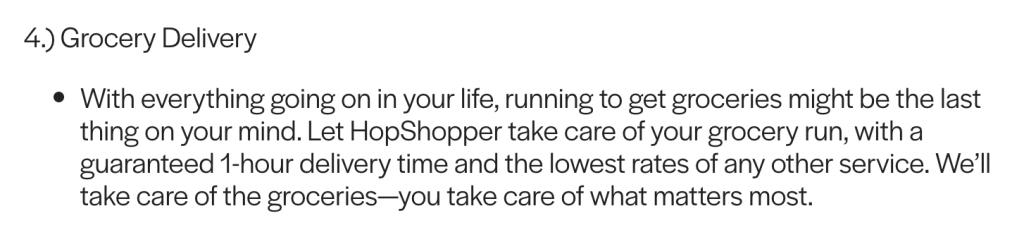
In closing your one-liner, aim to inspire your audience by casting a vision of success. This vision should encapsulate the ultimate benefit or transformation your audience can expect from engaging with your brand. Make sure this vision is not only desirable but also attainable in the eyes of your audience, reinforcing the value proposition of your business.
- Repetition is Key
Familiarity breeds recognition. Plan to repeat your one-liner across all brand touchpoints—your website, advertising, social media, and even in internal communications. The more consistently and frequently your one-liner is shared, the more likely it is to stick in the minds of your audience. Be prepared to deliver it flawlessly, whether in casual conversation or on a public stage, making it a core element of your brand’s identity.
Elevating Your Brand with the Perfect Tagline: Strategic Insights
Crafting an effective tagline is an art that requires balancing memorability with clarity, ensuring it resonates with your audience while encapsulating your brand’s essence. Here’s a strategic approach to creating taglines that stick and reinforce your brand identity.
- Strive for Memorability
Your tagline’s primary goal is to be unforgettable, condensing your brand’s message into a succinct, compelling phrase. It should be easily recalled by your audience, capturing the core of what you offer without delving into the minutiae. Remember, the aim is to leave a lasting impression that encapsulates your brand’s value in a simple yet powerful statement.

- Balance Cuteness with Clarity
While creativity and wit can make your tagline more engaging, never compromise clarity for the sake of being clever. A well-crafted tagline manages to be both memorable and clear, enhancing brand recall without obscuring your message. If you can inject a bit of creativity without sacrificing understandability, your tagline will not only capture attention but also clearly communicate what your brand stands for.
- Draw Inspiration from Idioms
Idioms are phrases with established meanings understood by most people, making them excellent sources of inspiration for taglines. Incorporating idioms can create a connection through familiar language, making your tagline more relatable and memorable. When used smartly, idioms can convey your value proposition in a way that’s both clever and clear. For example, say we sell brand-name shoes at discounted prices. A memorable tagline could be “High heels on a shoestring budget”. This example manages to be clever without being overly cliche. It communicates a clear value proposition (lower prices) through a common phrase.
- Learn from the Best
Analyze taglines that have endured over time to understand what makes them effective. Consider the emotions they evoke, their conciseness, and how they align with the brand’s overall identity. This reverse-engineering process can provide valuable insights into crafting a tagline that resonates deeply with your target audience, fitting seamlessly with your brand’s visual and tonal identity.
- Ensure Alignment with Your Brand Tone
Your tagline should reflect the tone and personality of your brand. For industries where trust and reliability are paramount, like law firms or insurance companies, choose a tagline that communicates security and confidence. On the other hand, brands with a more relaxed or playful image can opt for lighthearted taglines that still clearly convey the problem they solve. Consistency in tone between your tagline and overall brand voice is key to a cohesive brand identity.
- Consider SEO in Your Tagline
In today’s digital landscape, your tagline does double duty by also contributing to your brand’s online visibility. When appropriate, integrate keywords into your tagline that enhance its SEO value without compromising its impact or clarity. This strategic inclusion can boost your brand’s search engine ranking, making it easier for your target audience to find you.

Tips for StoryBrand Landing Pages
Crafting a StoryBrand Agency level landing page that effectively communicates your message and converts visitors requires a thoughtful blend of storytelling, design, and technical savvy. Here’s how to refine your landing page to ensure it not only attracts visitors but also turns them into loyal customers.
- Flexibility in Structure
Adopt a flexible approach to the StoryBrand Sb7 framework on your landing page. Instead of sticking rigidly to the order, mix and match elements to create a narrative flow that hits all the right notes, ensuring a harmonious user experience that effectively communicates your brand message.
- Strategic Headline Placement
Use the most compelling part of your BrandScript for the headline in the hero section of your website. This prime real estate should feature a message that resonates deeply with your audience, whether it’s the aspirational identity, the problem, the success, or the plan.
- Contextual Use of BrandScript
While your BrandScript is a vital foundation, avoid copying it verbatim onto your landing page. Websites thrive on contextual, engaging content tailored to the user experience. Use your BrandScript as a reference, distilling its essence into impactful headlines and key points that invite engagement.
- Visual and Verbal Alignment
Ensure that your imagery complements and amplifies your message. The visual elements should reflect the quality and tone of your brand, reinforcing the narrative crafted through your words. Inconsistencies between your visuals and message can confuse and alienate your audience.
- Showcasing Authority
Instead of overtly stating your credentials, use visuals like badges or certifications to subtly convey your expertise. This approach is less boastful and more engaging, allowing your authority to be immediately recognized.
- Leveraging Social Proof
Incorporate social proof to bolster your claims of empathy and authority. Real-time reviews, testimonials, and endorsements add credibility, demonstrating that respected peers and satisfied customers endorse your brand.
- Positive Imagery Use
Select images that depict the success and joy your clients will experience. Whether it’s through aspirational visuals or representations of immediate and long-term triumphs, these images should align with the positive outcomes your brand delivers.
- Authentic Stock Photo Selection
When using stock photos, choose images that genuinely represent your target audience and the success they seek. Authentic, relatable photos enhance the connection with your audience, avoiding the pitfalls of staged or clichéd imagery.

- Repurposing Taglines
Your tagline isn’t limited to offline marketing materials; it can serve as a powerful, attention-grabbing headline on your website. This repurposing helps maintain consistency across your brand touchpoints and reinforces your core message.
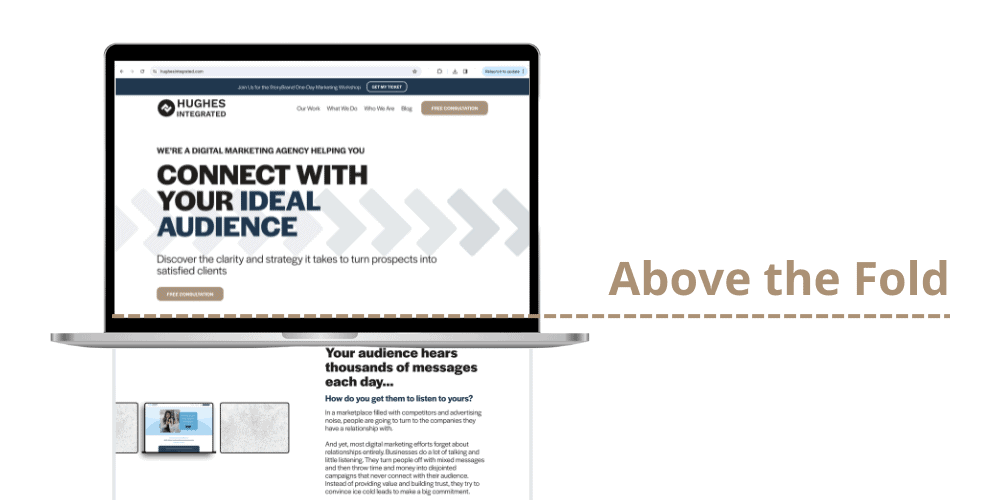
- Addressing Key Questions “Above the Fold”
Ensure your landing page immediately answers the what, how, and action steps for engagement without requiring visitors to scroll. This clarity from the outset sets the stage for a compelling user journey.
- Highlighting Feature Relevance
When detailing product features, always tie back to why these features matter to your ideal customer. Highlighting the benefits in relation to your audience’s needs and desires makes your offering more compelling.
- Incorporating Interactive Elements
Engage your audience with quizzes, calculators, or interactive videos that utilize the StoryBrand Sb7 framework. Interactive content not only increases engagement but also educates your audience about your brand in a dynamic way.
- Ensuring Mobile Optimization
With almost 60% of all web traffic coming from mobile devices, optimizing your landing page for mobile is non-negotiable. A mobile-friendly design ensures accessibility and a positive user experience across all devices.
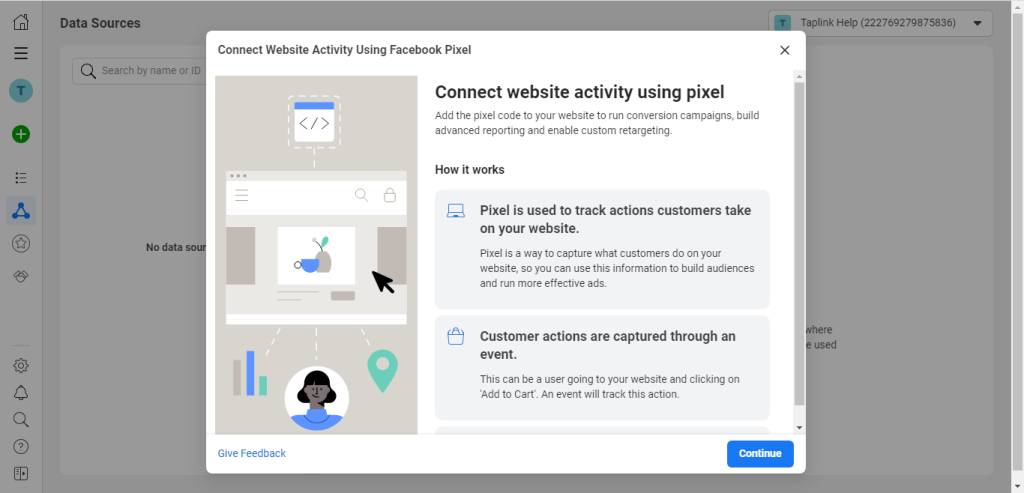
- Implementing Retargeting Strategies
Utilize retargeting to stay in the minds of visitors who haven’t converted yet. This strategy allows for follow-up campaigns that keep your brand visible and encourages eventual conversion.
- Personalizing Calls to Action
Dynamic content can tailor calls to action based on user behavior, making your messaging more relevant and targeted. This personalization enhances the effectiveness of your CTAs and can increase conversion rates.
- Developing an FAQ Section
An FAQ section addresses common questions and concerns, showcasing your empathy and expertise. This resource not only aids in decision-making but also improves SEO through the natural incorporation of key phrases.
- Regularly Update Your Content
Keep your content fresh and relevant to appeal to both search engines and users. Regular updates signal that your site is active and authoritative, contributing to better search rankings and user engagement.
- Simplifying the Conversion Process
Make the conversion process as straightforward as possible, whether it’s making a purchase or signing up for more information. A simple, user-friendly form increases the likelihood of conversion, turning interest into action.
Tips for StoryBrand Emails
Emails remain a cornerstone of digital marketing, offering a direct line to your audience’s inbox. To ensure your StoryBrand emails resonate and drive action, follow these tailored strategies designed to enhance engagement and deliver value.
- Define a Clear Purpose for Each Email
Ensure every email you send provides distinct value to your readers. Whether it’s offering insights, entertainment, or exclusive deals, the content should be framed to highlight its relevance and benefits, answering the “Why should I care?” question from your audience’s perspective.
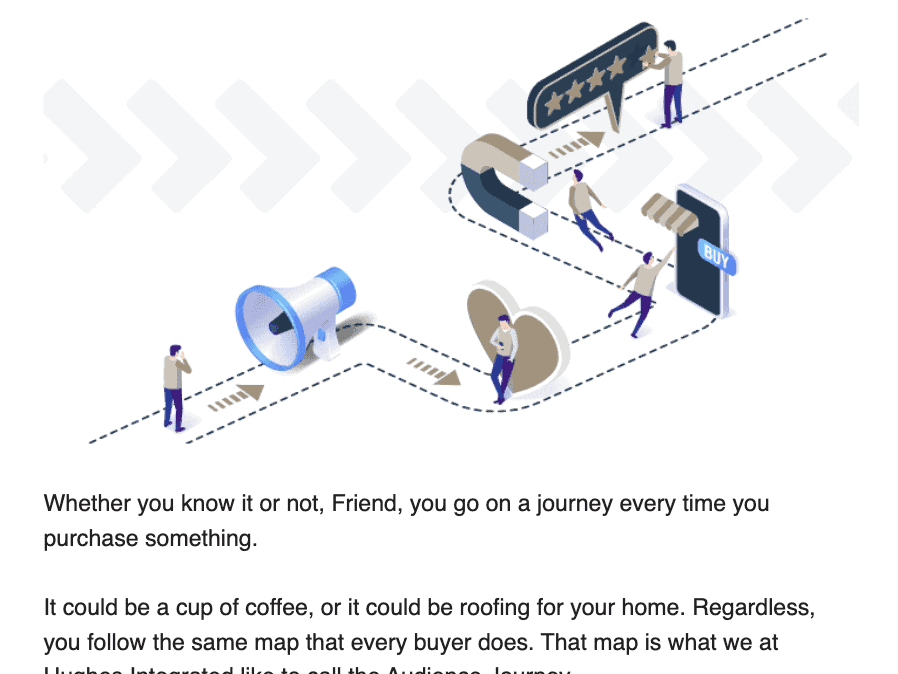
- Use a Header Image to Preview Content
A compelling header image can intrigue recipients and encourage further reading. Select imagery and language that reflects the email’s value proposition, giving readers a visual clue about the content’s focus and benefits.
- Maintain Consistent Branding
Extend your brand’s visual identity (including colors, fonts, and tone) into your email campaigns to ensure consistency across all touchpoints. This recognizability reinforces your brand message and enhances the reader’s experience.
- Design Standout CTA Buttons
CTA buttons should be visually prominent and feature clear, actionable language. This design consideration makes it easy for readers to understand the next steps and increases the likelihood of engagement.
- Optimize Lead Generation Delivery
For new subscribers receiving a lead magnet, use the initial email as a delivery mechanism. This strategy not only provides immediate value but also helps ensure your future emails land in the primary inbox by encouraging recipients to mark your email as “not spam.”
- Diversify Content Using the SB7 Framework
Rather than repeating your entire BrandScript verbatim in every email, selectively use different framework elements across your campaign. This approach allows you to explore various facets of your message, such as combining “Problem + Solution” in one email and “Empathy + Plan” in another, enriching the narrative experience.
- Set Clear Goals and Measure Success
Benchmark your email campaigns’ performance to identify areas for improvement. Set specific goals for open rates and click-through rates, and continuously optimize based on data-driven insights.
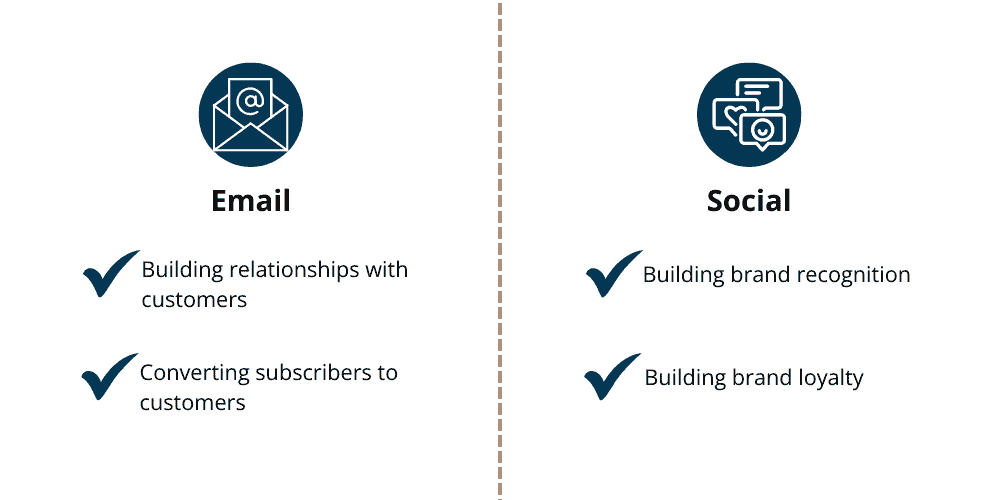
- Prioritize Email Over Social Media
Remember, your email list is an asset you own outright, unlike your social media following, which is subject to algorithm changes. In the dynamic digital landscape, email remains a reliable channel for connecting with potential clients.
- Engage Through Storytelling
Leverage storytelling to make your emails more engaging. A well-told story can captivate your audience, making your message stand out in a crowded inbox and fostering a deeper connection with your brand.
- Segment Your Audience for Personalized Communication
Use CRM tools to segment your audience and tailor your email content to different groups. Personalized emails are more likely to resonate, leading to improved open rates and engagement.
- Encourage User-Generated Content
Invite your subscribers to contribute content, whether through polls, questions, or content requests. This interactive approach not only provides you with valuable insights but also increases engagement by making your audience active participants in your brand narrative.
Tips for StoryBrand Lead Generators
Lead generators are a cornerstone of effective digital marketing, capturing interest and converting it into tangible leads. To maximize their impact within the StoryBrand framework, focus on creating offerings that are not only valuable but also seamlessly aligned with your brand. Here are key strategies our StoryBrand Agency recommends to ensure your lead generators are compelling and effective.
- Prioritize Practical Utility
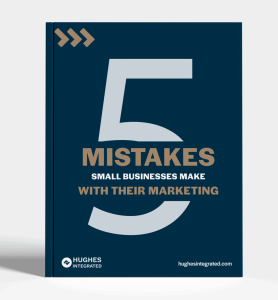
The success of a lead generator hinges on its usefulness to the audience. With an abundance of free content available, your lead magnet must offer distinct, actionable value that addresses specific needs or challenges. This perceived utility compels users to exchange their contact information for the insights you provide.
- Ensure Follow-Up Engagement
After delivering your lead generator, initiate follow-up communication to reinforce its value and encourage further interaction. This can be an email checking in on the user’s experience with the resource or suggesting additional steps they can take. Effective follow-up nurtures the lead, guiding them further down the conversion path.
- Maintain Brand Consistency
Just as you invest in professional website design, extend the same care to your lead generators. Ensure these resources reflect your brand’s visual identity, adhering to established guidelines for fonts, colors, and imagery. Consistency reinforces brand recognition and trust, particularly important when engaging new leads.
- Select Imagery Wisely
While stock photos are a convenient resource, their misuse can detract from your brand’s authenticity. Choose images that are not only high-quality and relevant but also resonate with your brand’s identity. When necessary, customize stock images to better align with your brand’s aesthetic, ensuring the visuals enhance rather than undermine your message.
- Adhere to the $20 Rule
Recognizing that individuals value their personal information, aim to create lead generators perceived to be worth at least $20. This benchmark ensures that the content you offer is sufficiently valuable to justify the exchange of contact information, increasing the likelihood of conversion.

- Leverage Webinars Effectively
Webinars offer a dynamic platform for engaging potential clients, serving as an effective multi-tiered lead generation tool. Beyond the immediate presentation, webinars provide opportunities for ongoing engagement through replay links and follow-up sequences. View webinars not just as one-time events but as integral components of a broader lead nurturing strategy.
Conclusion
Now that’s a list!
In essence, here are the key takeaways for effectively utilizing the StoryBrand framework within your business:
- Centralize Your Customer: Make your customer the hero of your story.
- Clarify Your Message: Use clear, compelling messaging that speaks directly to your audience’s needs.
- Simplify Your Offer: Break down your services into easy-to-understand steps.
- Craft Engaging CTAs: Ensure your calls to action are specific and action-oriented.
- Emphasize Visual Storytelling: Use imagery and visuals that resonate with your brand’s narrative.
- Leverage Success Stories: Share customer testimonials and success stories to build trust.
- Optimize for Engagement: Make your content interactive and engaging to keep users interested.
- Iterate Based on Feedback: Continuously refine your approach based on customer feedback and results.
Our StoryBrand agency has used these tips to create marketing wins for clients across the country.
Now, we want to hear from you:
Was there a particular tip that stood out to you?
Or perhaps there’s an aspect of the StoryBrand framework you’re eager to explore further? A tip you’ve found makes all the difference?
Feel free to share your thoughts or questions in the comments below.