
Create a Portfolio that Sells: Remodeling Portfolio Tips for Home Remodelers
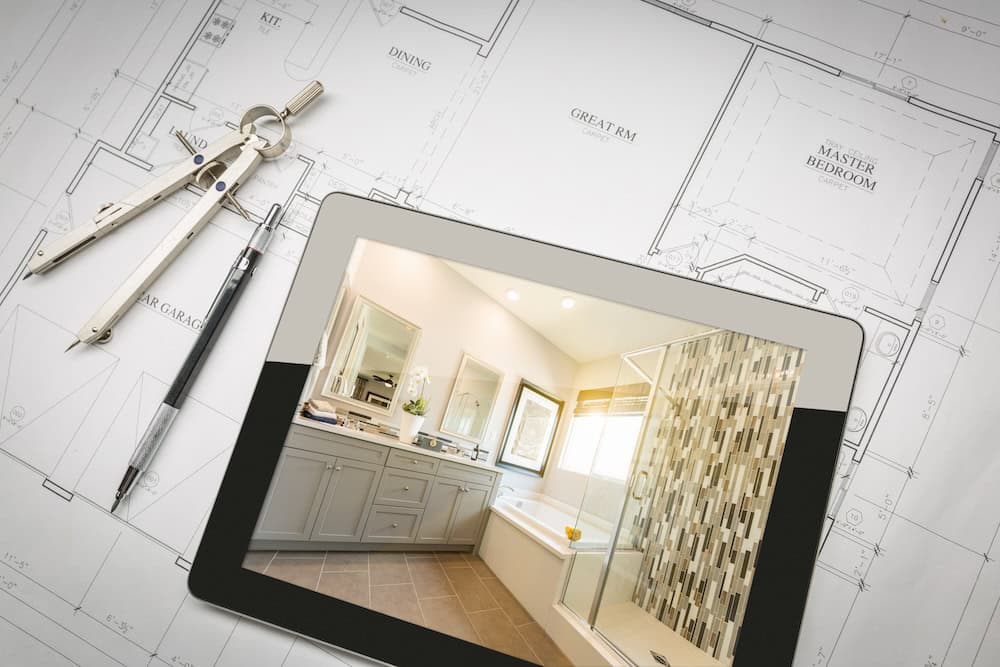
If you’re a home remodeler, chances are you’ve wondered how to build a great portfolio of past projects—and for good reason. A great portfolio not only showcases the quality work you do, but it can convert curious website visitors into loyal clients.
Think of your remodeling portfolio as your digital handshake. It’s often your first impression with potential clients, and it has the power to make or break their decision to reach out. The good news? You don’t need to be a graphic designer or marketing wizard to build one that gets results.
In this guide, we’ll break down proven remodeling portfolio tips to help you turn past projects into future leads.
Why Your Remodeling Portfolio Matters More Than Ever
People shop for remodelers the same way they shop for everything else—by researching online. They want to see photos, read reviews, and imagine what you could do in their home.
The problem? Most remodelers have an outdated gallery buried on their website—or worse, a random collection of before-and-after shots on Facebook from their iPhone gallery.
A sales-ready remodeling portfolio has structure, strategy, and storytelling. Done right, it answers three key questions for your future clients:
- Can I trust this remodeler?
- Do they understand projects like mine?
- Will they be easy to work with?
If your portfolio can say “yes” to all three, you’re halfway to a booked project.
The #1 Rule: Your Portfolio Isn’t About You
Let’s get something straight: your portfolio is not about showing off.
It’s about showing your future client what’s possible.
Your potential clients don’t care that you’ve been in business for 15 years. They care about how their kitchen will look. They care about how much dust will be in their home. They care if you’ll finish on time.
So yes, show off your craftsmanship, but do it in a way that highlights the client experience. We’ll show you how!
1. Start With the Right Projects
There’s no need to include every project you’ve ever done in your portfolio. Choose 5–8 standout jobs that reflect:
- The type of work you want more of (e.g., kitchens, bathrooms, additions)
- Your ideal client (e.g., mid-century updates, luxury homes, family-focused designs)
- Challenges you solved (tight timelines, unique layouts, client concerns)
Each project should showcase your skill and your strategic thinking. A winning portfolio tells your prospect, “I’ve done this before, and I can do it again for you.”
Pro Tip: Organize your portfolio around project types (Kitchen Remodels, Basement Finishes) or client goals (Open Concept Living, Modern Upgrades). Make it easy to navigate.
2. Go Beyond Before & After Photos
Yes, transformation photos are essential, but they’re not enough.
To build trust, you need to tell the story behind the project. Add a brief write-up that covers:
- The client’s goal: “The Johnsons wanted an open-concept kitchen for family gatherings”
- The challenge: “We had to work around a load-bearing wall without blowing the budget.”
- The solution: “We installed a steel beam and repurposed cabinetry to save costs.”
- The result: “A bright, modern space delivered two weeks ahead of schedule.”
This kind of narrative does two things:
- It shows how you think and problem-solve.
- It helps the reader see themselves in your story.
Even better? Include a direct quote from the homeowner if possible.
3. Prioritize Quality Over Quantity (Especially Photos)
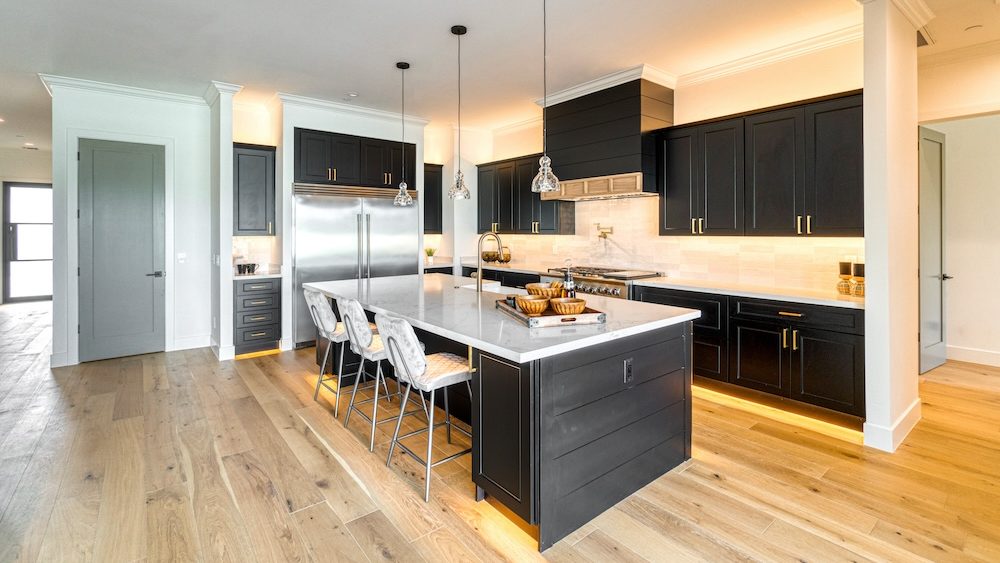
A few high-quality images will always outperform dozens of blurry smartphone shots.
If you’re serious about growth, hire a professional photographer, or take a cheap online course in photography. Capture:
- Wide shots that show the full room
- Detail shots of tile, fixtures, and finishes
- Lifestyle imagery that shows how the space is used
Lighting, angles, and staging make a big difference. A clean, well-lit kitchen with a bowl of fruit and folded towel? That sells. A dark photo with tools on the counter? That doesn’t.
Bonus Tip: Always take “before” photos at the same angle as your “after” shots for dramatic impact.
4. Make It Easy to Scan
Potential clients are more than likely skimming your site, not reading it like a novel.
Use this format for each portfolio entry:
- Project Title
- Hero Image
- Quick Summary (client, location, size, timeline)
- Short Paragraph (the story)
- 3–6 high-quality images
- Optional: testimonial, call to action (e.g., “Like this kitchen? Let’s talk.”)
Keep your copy friendly, clear, and jargon-free. Talk like a human, not a contractor.
Pro tip: Include location information in the project title, like “Home Remodel in Standale” or “Kentwood Home Renovation.” This location information can be helpful for Google to direct local buyers to your website.
5. Show the Human Side of the Job
Remodeling isn’t just about walls. It’s about people. That means your portfolio should feel warm and relatable.
Here’s how:
- Share testimonials that highlight communication, cleanliness, and customer care.
- Use candid project photos of your crew working or interacting with the homeowner.
- Mention how you made the process easy: daily cleanups, transparent scheduling, respectful behavior.
Trust is built in the details. Don’t just show what you built—show how you behaved.

6. Add Strategic CTAs (Calls to Action)
You’ve inspired someone with your work. Don’t leave them hanging.
Every project in your portfolio should have a next step. Examples:
- “Book a discovery call.”
- “Download our Design Guide.”
- “Get a Free Estimate.”
Make your CTAs clear, helpful, and action-oriented. And make sure they appear multiple times across your portfolio pages.
7. Keep It Fresh
An outdated portfolio makes people wonder if you’re still in business.
Set a reminder to update your portfolio quarterly. Add new projects. Rotate out older ones that no longer represent your best work.
Also: don’t be afraid to repurpose projects on social media and in emails. That one amazing mudroom renovation? It could be five Instagram posts and a case study.
8. Build for Mobile
Up to 60% of traffic to your site may come from phones or tablets. If your images or layout don’t load well on mobile, you’re losing leads.
- Use a responsive website design. Most free website plans offer responsive template options.
- Optimize image sizes so pages load quickly. That might mean compressing image files so they don’t slow down your site on the back end.
- Make buttons easy to tap. They don’t need to be a crazy color, but make sure they are clear, large, and visible on mobile.
- Test on multiple devices. Check your own website on a smartphone or even a tablet. That way you can make sure it works great no matter how your prospects are searching.
Your portfolio should be as polished on a phone as it is on a desktop.

9. Go Beyond Your Website
While your website should be the hub of your portfolio, your work should also live where your customers hang out.
- Instagram: Don’t hesitate to create a beautiful photo carousel or behind-the-scenes reel. Just make sure to include a caption about the project, and even tag the client if they have an Instagram account.
- Houzz: 70 million homeowners use directories like Houzz to vet home contractors. Make sure your directory listing is updated with your stunning photos!
- Google Business Profile: A local pack is often the first thing users see when they search for local, “near me” businesses. Your photos can help capture their attention. An updated GBP also gives you bonus points with Google.
- Facebook albums: Similar to Instagram, posting projects on Facebook can boost your credibility. You can even tag the happy customer so they feel compelled to share with their friends.
Just make sure all platforms link back to your main website so leads don’t get lost.
Pro tip: On social media, always link your website in the comments, not in the post itself. Meta’s algorithms don’t want to show links that take users away from their website, so a link within your post might get dropped from the news feed.
10. Tell Clients Upfront You’ll Use Their Project
This is important.
At the start of every job, tell the homeowner that (pending their approval) you’d love to feature the finished project in your portfolio.
That way, you can:
- Get proper permissions.
- Capture high-quality photos at the end.
- Ask for a testimonial while the experience is still fresh.
Clients are usually happy to help, especially if you position their story as one that could inspire other homeowners like them.
Pro tip: At the end of the project, be sure to ask the happy client to leave a review on Google, either by sending them an email or chatting with them after the project.
Final Thoughts: It’s Not Just a Portfolio. It’s a Trust Builder.
A great portfolio builds trust. It’s that simple. When prospective clients can see the work you do, they see you as a credible option.
So if you’ve been putting off that website update, or relying too heavily on social media, now’s the time to upgrade your portfolio. Your next great client is already looking for you. Help them say yes with a portfolio that sells.
Need help building out your portfolio—and the rest of your website? We can build that! Schedule a free consultation with the Hughes Integrated team today.
